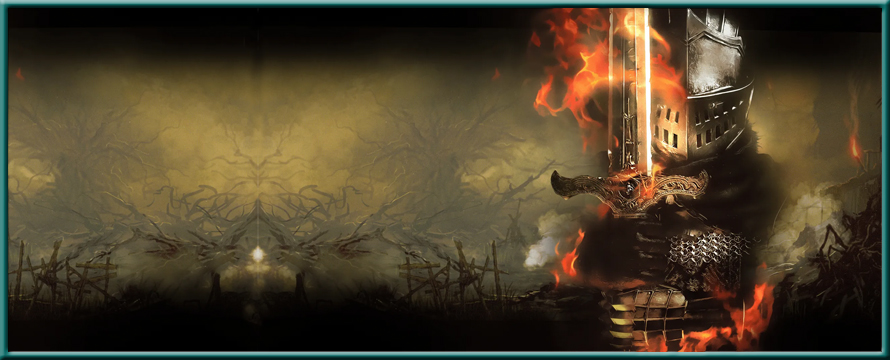
Templar helm
Return to armor index
Armor Type:
Head armor
Brief Description:
The iconic Templar helm (the Great Helm or heaume) was a fully enclosed, flat-topped or conical steel cylinder. It featured narrow horizontal eye slits for vision and grouped ventilation holes for breathing. Worn over a padded arming cap and mail coif, it provided elite heavy cavalry protection. Historically, the Templars’ headwear evolved alongside medieval armor technology.
Early Crusades (11th Century): Knights initially used simple conical nasal helmets. These featured a singular steel bar protecting the nose but left the rest of the face vulnerable to heat and strikes.
The Great Helm (12th-13th Century): This became the definitive helmet for a Crusader knight. It was forged from riveted heavy steel plates to completely encase the head and neck. While incredibly protective, it severely restricted peripheral vision and ventilation.
Sugarloaf Helm (Late 13th Century): To address the heat and weight of the traditional Great Helm, the helmet's crown became more conical or ovoid. This pointed "sugarloaf" or "salt shaker" design helped deflect slashing blows from swords much more efficiently.
Heraldry & Embellishments: Popular culture often depicts this medieval armor as having a prominent brass or painted Templar cross over the faceplate. However, medieval surviving examples rarely had a physical structural cross on the face, as these posed a danger of catching a blade tip in combat. Instead, knights often adorned the steel with painted crosses or other heraldic designs on their surrounding surcoats or shields.