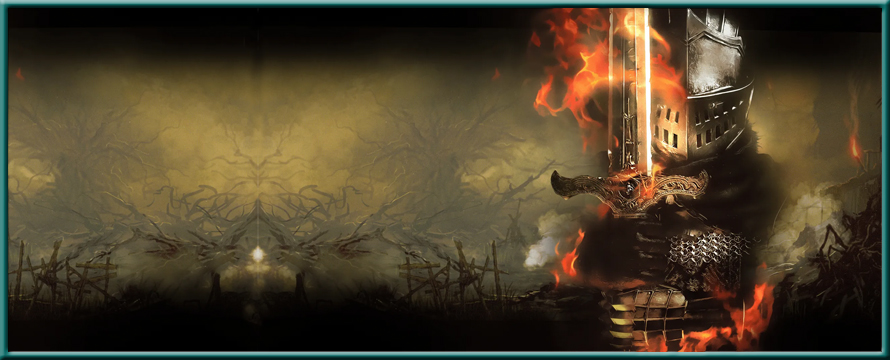
Great helm
Return to armor index
Armor Type:
Helmet
Brief Description:
The great helm is a large, fully enclosed helmet that covers the entire head and neck. Emerging in the late 12th century during the Crusades, it became a defining symbol of the medieval knight. Designed to withstand intense combat, it offered maximum defense against heavy weapons but was heavy and restricted both breathing and vision.
Key Characteristics:
Shapes and Evolution: Early great helms were flat-topped cylinders. Later designs evolved to feature rounded or pointed tops, which helped deflect blows more effectively.
Eye and Breathing Slits: The helmet featured narrow horizontal slits for the eyes, known as oculi, and small pierced holes or a slotted vent for breathing.
Interior and Wearability: To secure the heavy steel shell, knights wore a padded cap and a chainmail hood (coif) underneath. The helm itself utilized an internal leather suspension liner and chin strap to distribute the weight.
Strengths and Weaknesses
Protection: The robust, rigid steel shell shielded vulnerable areas from maces, swords, and lances, making it the highest level of personal protection available at the time.
Ventilation and Vision: The narrow eye slits significantly limited peripheral vision, making the knight vulnerable to flanking attacks. Poor ventilation meant the helmet could easily overheat.