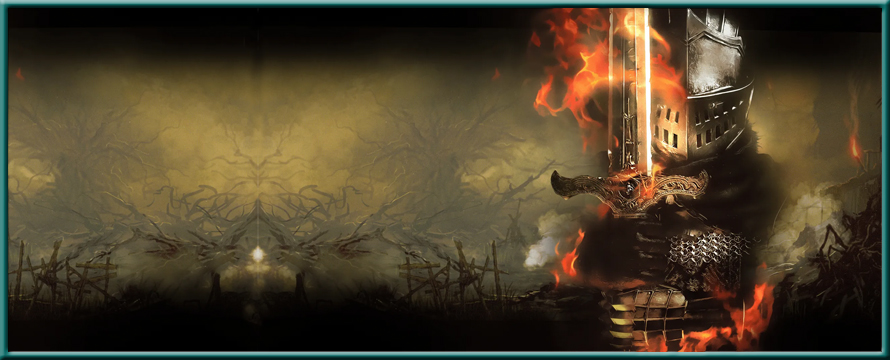
Burgonet
Return to armor index
Armor Type:
Helmet
Brief Description:
The burgonet is a lightweight, open-faced combat helmet developed in the early 16th century as a successor to the medieval sallet. It is distinguished by a rounded skull with a pronounced frontal brim, a vertical comb or crest, hinged cheekpieces, and an integrated flared neck guard.
Developed to improve visibility, ventilation, and comfort for Renaissance-era cavalry and infantry, the helmet was widely adopted throughout Europe. While it typically left the face open to allow for easy breathing and clear sightlines, military models were frequently paired with a falling buffe (an articulated or single-plate face shield) or a hinged bevor for full facial protection.
The defining features of the burgonet include:
The Skull and Comb: The helmet’s bowl featured a high-keeled central ridge or "comb" (often morion-like), which helped deflect downward blows and provided structural integrity.
Brow Visor/Peak: A fixed or adjustable metal brim projected over the eyes to shield the wearer from the sun and ward off descending strikes to the face.
Cheekpieces: Pivoting metal plates were attached to the sides of the skull, protecting the cheeks and chin while accommodating easier on-and-off fitting.
Neck Guard: An extended flange curved outward at the base to protect the back and sides of the neck.